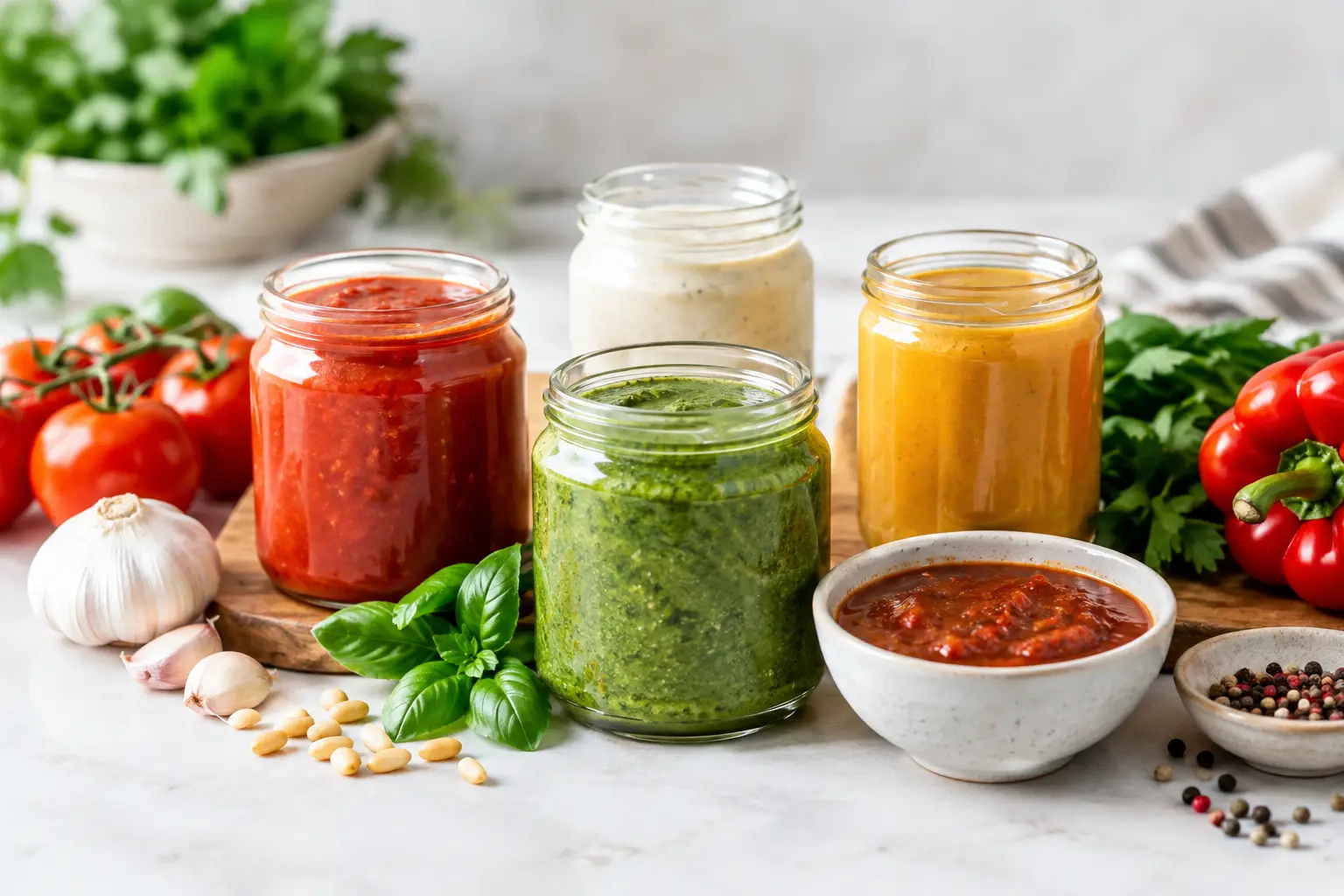
Clean Ingredient Cooking Sauces for Real Dinners

The 6 pm question is rarely, “What impressive thing shall I cook?” It is more likely, “What can I make with these vegetables, a packet of noodles and almost no energy?” That is where clean ingredient cooking sauces earn their shelf space. The right bottle or jar can turn a few ordinary ingredients into a proper, satisfying meal - without asking you to chop six aromatics, measure five seasonings or follow a fiddly recipe.
For busy households, clean does not have to mean bland, worthy or another task on the dinner list. It should mean ingredients you can recognise, flavour that tastes considered, and a shortcut that still lets your cooking feel like your own. Big flavour, less effort.
What “clean ingredient” should mean in a cooking sauce
“Clean ingredient” is not a tightly regulated label, so it is worth looking beyond the words on the front of the pack. A useful cooking sauce is not automatically better because it has a short ingredient list, nor is every unfamiliar ingredient something to fear. Fermentation, for example, can introduce ingredients with names that may be new to you while creating the deep savoury character that makes food taste rounded and complete.
A better question is: does the ingredient list make culinary sense? You should be able to see the building blocks of flavour - vegetables, chillies, vinegar, herbs, spices, soy or other fermented elements, fruit, salt and a touch of sweetness where it belongs. Each ingredient should have a job to do.
A sauce that relies mainly on sugar, salt and flavourings can make food taste loud without making it taste layered. It may give a quick hit, but it often leaves you adding more ingredients to create the depth you wanted in the first place. A thoughtfully made sauce brings savoury richness, acidity, sweetness and aroma into better balance.
That does not mean every dinner needs to be low-salt, low-sugar and low-everything. Salt is a seasoning, sugar can soften sharp acidity and oil carries flavour. What matters is proportion and purpose. The best clean ingredient sauces help you season with confidence rather than forcing you to rescue an overly sweet, flat or salty meal.
Why fermented flavour changes the weeknight equation
Good cooking takes time because flavour takes time. Browning onions, reducing stock, simmering tomatoes and building a marinade all create layers. On a Tuesday, though, time is often the one ingredient you do not have.
Fermented foods offer a clever shortcut. During fermentation, natural processes develop complex savoury notes and a fuller aroma. That is the magic behind many pantry favourites, from soy sauce to miso and fish sauce. For plant-forward cooking, fermentation can be especially useful because it brings the satisfying depth people often associate with slow-cooked meat dishes.
This is not about making every meal taste the same. It is about giving a simple meal a strong foundation. A spoonful stirred through fried rice can make leftover rice taste intentional. The same spoonful in a mushroom mince can give a vegetarian cottage pie more savoury presence. In a barbecue glaze, it can add enough complexity that plain sausages or grilled tofu stop feeling like an afterthought.
UmamiBee builds that flavour system into its pantry products, combining traditional fermentation know-how with Filipino flavour heritage for everyday cooking. The goal is not to replace your cooking instincts. It is to give them a very useful head start.
How to choose clean ingredient cooking sauces
Start with the meal you actually make, not the fantasy meal you might cook on a quiet Sunday. If your regular rotation includes stir-fries, tray bakes, noodles, eggs, sandwiches and barbecues, look for sauces flexible enough to work across those jobs.
A versatile savoury sauce or cooking paste should bring depth without locking you into one cuisine. You might use it with ginger and spring onion one night, then with rosemary and mushrooms the next. That flexibility matters when pantry space is limited and dinner fatigue is real.
When comparing labels, consider these practical cues:
Look for real flavour sources such as fermented ingredients, vegetables, spices, chilli, garlic, mushrooms or fruit.
Check where sweetness sits in the ingredient list. A little can balance a sauce beautifully; too much can narrow how you use it.
Think about dietary needs in your household, including vegan, gluten-free or allergen considerations where relevant.
Choose a flavour level everyone can live with. A mild savoury base plus separate hot sauce is often easier for families than one very spicy bottle.
There is also a value question. A premium sauce can cost more upfront than a basic supermarket option, but it may be better value if one spoon lifts a whole pan of food and stops you buying extra stock, seasoning mixes and specialty ingredients. The test is not just price per bottle. It is how many easy, delicious dinners it helps create.
One spoon, so many possibilities
The fastest way to make a new sauce useful is to stop treating it as a final drizzle only. Think of it as a flavour starter. Add it early when you want it to cook into the dish, or finish with it when you want brighter, fresher impact.
Fried rice that tastes like more than leftovers
Cook your onion, frozen peas, corn or whatever vegetables are in the crisper. Add cold rice, then stir through a savoury cooking paste or sauce before tossing in egg, tofu, chicken or leftover roast vegetables. Finish with a squeeze of lime or a handful of herbs if you have them. The sauce provides the backbone; the fresh finish keeps it lively.
Better vegetables, without a complicated glaze
Roast cauliflower, kūmara, pumpkin or broccoli until the edges take on colour. Toss with a small amount of sauce in the final five minutes, or brush it on after roasting. This approach works particularly well with sauces that have a little sweetness, as high heat can caramelise them. Watch closely, though - sugary sauces can catch and burn if added too early.
A fast noodle bowl with actual depth
Loosen a spoonful of sauce with hot water, a dash of sesame oil or a little coconut milk, depending on the flavour you are after. Toss it through noodles with shredded cabbage, spinach and whatever protein is handy. Top with a soft egg, crushed peanuts or crispy shallots. It is quick enough for a worknight and generous enough to feel like a meal.
Saucy mince, mushrooms or lentils
Brown mince, finely chopped mushrooms, lentils or a mix of all three. Add a cooking sauce with tinned tomatoes or a splash of water, then simmer until glossy. Spoon it over rice, mash, toast or pasta. This is where savoury, fermented depth really earns its keep, especially in plant-forward meals that need a little more body.
A smarter barbecue brush-on
Mix a sauce with a little oil, citrus or vinegar to make a quick glaze for skewers, corn, tofu, chicken or sausages. Brush it on near the end of cooking rather than at the beginning, particularly if it contains sugar. You get a sticky, flavourful finish without a blackened barbecue disaster.
The small adjustments that make sauces taste homemade
A good bottle does not remove you from the cooking. It gives you room to make simple choices. If a dish tastes heavy, add acid: lemon, lime, vinegar or even a spoonful of pickle brine. If it tastes sharp, add a little sweetness from grated apple, honey, banana ketchup or a pinch of sugar. If it tastes thin, add more savoury depth or let it reduce for a few minutes.
Texture matters too. A sauce that is perfect for noodles may need thinning for a dressing or thickening for a pie filling. Use water, stock, coconut milk or tomato passata to stretch it, then taste again. That final taste is where confidence grows. You are not following rules; you are learning what your dinner needs.
Clean ingredient sauces are most useful when they make cooking feel more possible, not more performative. Keep one within reach, use it generously, and let tonight’s nearly-empty fridge become something everyone is happy to eat.
Comments