Rethinking the Banana: New Flavour and New Category.

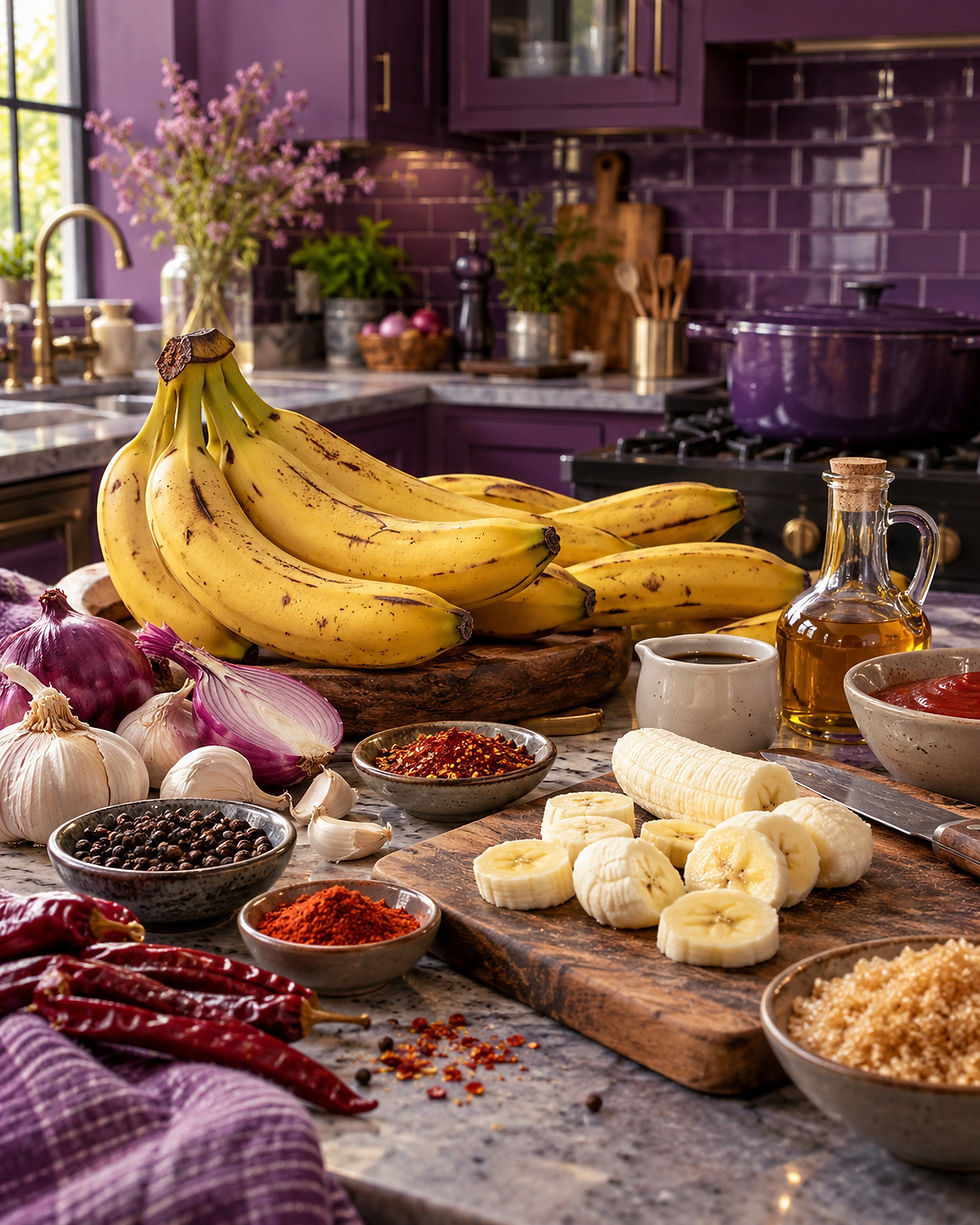
Banana is one of the most familiar fruits in the world, yet I keep asking a different question: are we using it to its full potential?
As a Filipina food technologist, that question is especially meaningful to me. Banana is part of our food history, our resourcefulness and our everyday cooking. Now, living and building a food business in New Zealand, I see an exciting opportunity to connect that heritage with local food innovation.
A recent banana feature in SupermarketNews New Zealand caught my attention because it asked retailers to think beyond the fruit bowl. The discussion was not about whether consumers like banana. We already know they do. The bigger question was whether banana is being used broadly enough across the store, from drinks and bakery products to indulgent formats, functional foods and new flavour experiences.
Banana belongs beyond the fruit bowl
This idea immediately resonated with me because it is exactly how we think at UmamiBee. A familiar ingredient does not have to stay in a familiar category. It can move into a completely new eating occasion when flavour, food science and culture come together.
For UmamiBee, banana already appears in a very different place: the condiment shelf. Going Bananas Ketchup turns banana into a savoury everyday sauce, while Banana on Fire takes the fruit into hot sauce territory. These products are not about making banana taste like dessert. They are about showing how its natural body, sweetness and flavour can work in savoury applications.
A Filipino idea with modern relevance
Banana ketchup has deep roots in Filipino food history and in the resourcefulness that has always shaped our cuisine. It is a wonderful example of adapting what is available locally and creating something useful, delicious and distinctly our own.
That idea still feels relevant today. Food innovation does not always mean inventing an unfamiliar ingredient. Sometimes it means looking again at something ordinary and asking what else it can become.
For me, that is where Filipino food heritage and modern food development meet. We can respect the story of an ingredient while also exploring new formats, new processes and new ways for consumers to use it.
What happens to bananas that cannot be sold fresh?
Another part of the SupermarketNews feature was even more interesting from a food science and sustainability perspective. It highlighted the opportunity to create higher value uses for fruit that may not meet conventional fresh retail specifications.
A banana can be perfectly suitable for food production even if it is too ripe, too small, cosmetically imperfect or simply outside the appearance expected on a supermarket display. Processing gives that fruit another pathway. Instead of being limited to the short window of fresh retail, it can become a sauce, preserve, ingredient or other shelf stable product.
This is particularly exciting for us because we have started conversations with a New Zealand banana grower and are exploring what locally grown fruit, including surplus or second grade bananas, could potentially become in value added products. We are still at the exploration stage, and our current products should not be read as already using New Zealand grown bananas. But the possibility is exactly the kind of challenge that excites me.
From grower to product
Imagine the chain differently. A grower has fruit that may not suit the fresh produce shelf. A food manufacturer understands how to formulate, process and preserve it safely. The ingredient gains a longer useful life and potentially a higher value. Consumers then discover a completely new way to enjoy something they already know.
That creates a different relationship between agriculture and food manufacturing. Instead of seeing processing as the last option for imperfect fruit, we can see it as another deliberate market for the crop.
Creating more occasions for banana
Banana already has strong associations with breakfast, smoothies, baking and snacks. But why stop there? In savoury food it can contribute body, natural sweetness and flavour balance. Roasting or caramelisation can create deeper notes. Chilli, acidity, spices and umami ingredients can take banana somewhere completely unexpected.
That opens possibilities for ketchup, hot sauce, barbecue style sauces, glazes, chutneys, caramel style products and other condiments. The aim is not to create banana products simply for novelty. Each product still needs a clear use, strong flavour and a reason to exist on the shelf.
Food innovation can begin with what we already have
One of the things I love most about food science is that innovation is often hiding in plain sight. We do not always need an exotic new ingredient. Sometimes we need to understand an existing ingredient more deeply, respect its history and then design a better use for it.
For UmamiBee, banana sits at a beautiful intersection of Filipino culture, New Zealand agriculture, sustainability and product development. It lets us tell a story that is personal to me while also solving a practical food industry problem.
That is the future I would love to explore: taking familiar ingredients, using science and creativity to give them more value, and creating products that make people look at everyday food differently.
Maybe banana does not need a comeback. Maybe, as the article suggested, it simply needs a rethink. And I think we are only beginning to discover where it can go next.

Comments