Understanding the Essence of Umami - What is Umami?


I’m excited to share something that has transformed the way I cook and enjoy food. It’s a flavor that’s often overlooked but makes a huge difference in every dish. You might have heard the word before but never really understood what it means or how to use it. Today, I’m diving into the essence of umami and showing you how to bring this rich, natural taste into your kitchen effortlessly.
Imagine your meals bursting with a deep, satisfying flavour that keeps you coming back for more. That’s the magic of umami! Let’s explore what it is, where it comes from, and how you can use it to make your cooking healthier and tastier.
What is Umami?

Umami is often called the fifth taste, alongside sweet, sour, salty, and bitter. It’s a Japanese word that means “pleasant savoury taste.” This flavour is what makes certain foods taste rich, meaty, and full-bodied without adding extra salt or fat.
You find umami in ingredients like tomatoes, mushrooms, aged cheese, soy sauce, and even seaweed. These foods contain natural compounds called glutamates, which trigger the umami sensation on your taste buds. When you add umami-rich ingredients to your meals, you enhance the overall flavour without overpowering the dish.
Using umami is a game-changer for busy home cooks. It helps you create meals that feel indulgent but are actually healthy and simple to prepare. Plus, it’s perfect for anyone looking to reduce salt or fat without sacrificing taste.

What is the umami flavor?
The umami flavor is unique. It’s not sweet or salty, but it adds a depth that makes food taste more complete. Think of it as the flavour that rounds out a dish and makes it memorable.
When you taste something with umami, you might notice a mouth-filling sensation that lingers pleasantly. It’s often described as meaty, brothy, or savoury. This flavour is what makes a slow-cooked stew or a perfectly aged cheese so irresistible.
For example, adding a splash of soy sauce or a handful of sun-dried tomatoes to your recipe can instantly boost the umami flavour. Even a sprinkle of Parmesan cheese on your pasta adds that satisfying richness.
Understanding this flavour helps you cook smarter. You don’t need complicated sauces or extra salt. Instead, you use natural ingredients that bring out the best in your food.
How to Use Umami in Everyday Cooking
Incorporating umami into your meals is easier than you think. Here are some practical tips to get you started:
Use umami-rich ingredients: Keep pantry staples like soy sauce, miso paste, dried mushrooms, and Parmesan cheese on hand. These add instant flavour to soups, sauces, and stir-fries.
Cook with tomatoes: Fresh, sun-dried, or canned tomatoes are packed with umami. Add them to stews, pasta sauces, or even salads.
Add fermented foods: Foods like kimchi, sauerkraut, and fermented soy products bring a punch of umami and probiotics for gut health.
Try seaweed: Seaweed is a natural source of umami and minerals. Use it in broths, salads, or as a seasoning.
Slow cook your meals: Slow cooking helps release umami compounds in meat, vegetables, and broths, making your dishes richer and more flavourful.
By using these tips, you can create meals that are both delicious and nutritious without spending hours in the kitchen.
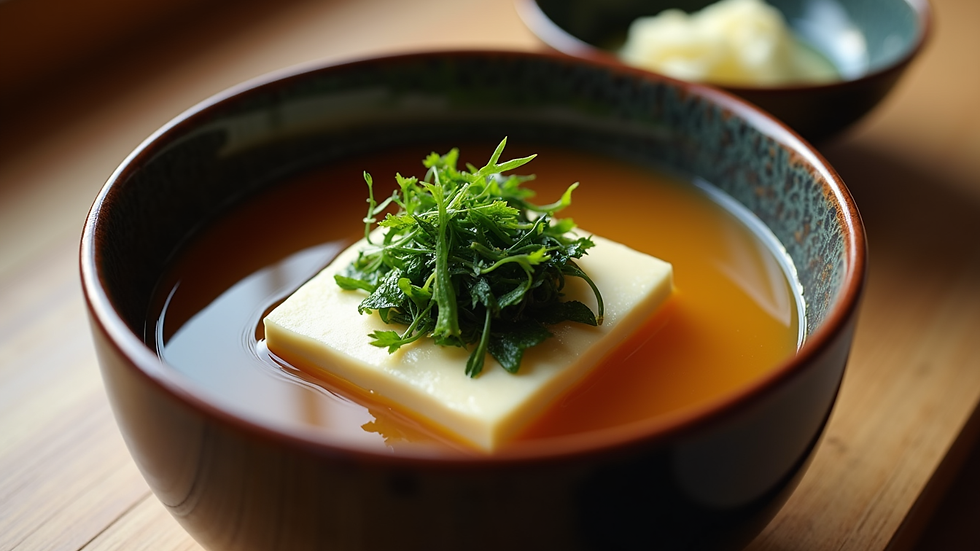
Why Umami Matters for Health-Conscious Cooks
If you’re watching your salt intake or trying to eat cleaner, umami is your best friend. It allows you to reduce salt and fat while still enjoying full-flavoured meals. This means you can eat healthier without feeling like you’re missing out.
Umami-rich foods often come with added nutritional benefits. For example, mushrooms provide vitamins and antioxidants, while fermented foods support digestion. Using these ingredients regularly can improve your overall diet quality.
Plus, umami helps you feel satisfied with smaller portions. That’s great news if you want to control your calorie intake without sacrificing taste.
Bringing Umami into Your Kitchen Routine
I know how busy life can get. That’s why I love simple ways to add umami without extra effort. Here’s how you can make umami a regular part of your cooking:
Stock your pantry: Keep umami boosters like miso, soy sauce, and dried mushrooms ready to use.
Plan meals around umami ingredients: Think tomato-based sauces, mushroom risottos, or miso soups.
Experiment with new recipes: Try dishes from cuisines that celebrate umami, like Japanese, Korean, or Italian.
Use leftovers creatively: Add umami-rich ingredients to soups or stews made from leftovers to enhance flavour.
Make your own umami blends: Mix dried seaweed, mushrooms, and spices to sprinkle on salads or roasted veggies.
By making these small changes, you’ll notice your meals taste richer and more satisfying every day.
Your Next Step to Flavorful Cooking
Now that you understand the essence of umami, it’s time to bring this flavour into your kitchen. Start with one or two umami-rich ingredients and see how they transform your meals. You’ll find cooking more enjoyable and eating healthier easier than ever.
Remember, umami is about enhancing natural flavours, not masking them. It’s the secret to making simple dishes taste extraordinary. So grab your favourite umami ingredients and get cooking!
Your taste buds will thank you!
A note from MotherBee
My food science background taught me to look closely at how ingredients, heat, fermentation and time create flavour. UmamiBee brings that understanding into simple products that help home cooks make satisfying food quickly.
Cook with UmamiBee
Ready to try it? Find UmamiBee Dish Lifter Original in the UmamiBee store.

Comments